Pastel Plaid Geometric Seamless Digital Assets: Technical Specifications and Creative Applications
The intersection of traditional textile aesthetics and modern digital utility has created a significant demand for high-fidelity surface pattern design. Among the most versatile categories in this space is the Pastel Plaid Geometric Seamless Digital collection. These assets bridge the gap between nostalgic cottagecore visuals and contemporary functional design, offering creators a robust toolkit for both physical fabrication and digital media. Understanding the technical parameters and practical applications of these seamless patterns is essential for professionals and hobbyists aiming to produce high-quality results across various mediums.
Technical Standards for High-Resolution Pattern Design
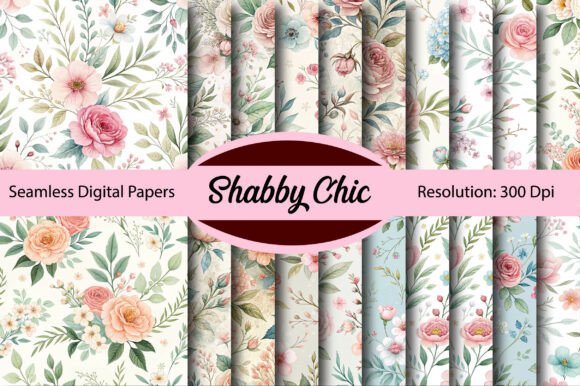
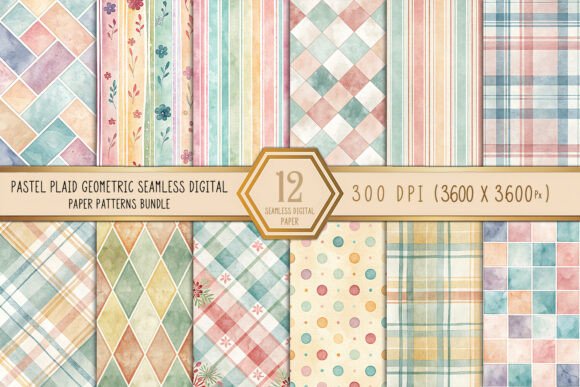
When evaluating digital paper bundles or seamless pattern sets, resolution and color fidelity are the primary determinants of usability. The industry standard for printable assets requires a minimum of 300 DPI (dots per inch) to ensure crisp edges and accurate color reproduction when transferred to physical substrates. A Pastel Plaid Geometric Seamless Digital Paper Bundle typically adheres to these specifications, providing files at 3600 x 3600 pixels. This dimension corresponds exactly to a 12x12 inch square at 300 DPI, which is the foundational size for scrapbooking, quilting blocks, and standard digital art canvases.
The "seamless" attribute is technically achieved through precise tiling algorithms where the left edge perfectly matches the right edge, and the top aligns with the bottom. This continuity allows the pattern to be repeated infinitely without visible breaks or misalignments. For designers working on large-format projects like wall art or fabric yardage, this tiling capability is non-negotiable. It ensures that whether the pattern covers a four-inch greeting card or a six-foot banner, the visual integrity remains consistent. Furthermore, high-resolution JPG formats strike an optimal balance between file size and quality, making them accessible for users with varying levels of hardware capability while retaining enough data for professional printing.
Color Theory in Pastel and Vintage Aesthetics
The specific appeal of pastel plaid lies in its psychological impact and versatility. Unlike high-contrast geometric designs that can dominate a composition, pastel palettes serve as supportive backgrounds that enhance rather than compete with foreground elements. In the context of a Watercolor Patchwork Scrapbook Paper set, the softness of the colors mimics the organic bleeding of pigment on paper, adding a layer of tactile authenticity to the digital file. This aesthetic alignment with the cottagecore movement resonates with audiences seeking comfort, nostalgia, and organic warmth in their visual environments.
For educators and researchers creating presentation materials, these muted tones reduce cognitive load compared to stark white or neon backgrounds. The vintage background set aesthetic provides texture and depth, preventing slides or documents from appearing flat and sterile. This subtle complexity maintains viewer engagement while ensuring text overlays remain legible, a critical consideration in information design.
Fabrication and Textile Applications
One of the most tangible uses for seamless digital patterns is in textile manufacturing and home sewing. Because these files are designed at 300 DPI, they are suitable for direct-to-fabric printing services. Crafters utilizing a Cottagecore Seamless Pattern Bundle can create custom quilting cottons, apparel fabrics, or upholstery textiles that are unavailable in commercial brick-and-mortar stores. The geometric nature of plaid simplifies the cutting and piecing process in quilting, as the grid structure provides built-in guidelines for alignment.
Beyond quilting, these patterns are extensively used in small-batch product creation. Business owners producing hair accessories, pet bandanas, or reusable gift wraps rely on the repeatability of seamless vectors to maximize fabric yield. When printing on fabric, it is important to note that colors may appear slightly darker or more saturated than on a backlit monitor. Professionals often order test swatches to calibrate their screens to the printer’s color profile, ensuring the final pastel hues match the intended digital proof.
Stationery, Packaging, and Print Media
In the realm of paper goods, the 12x12 inch format aligns perfectly with standard scrapbook paper sizes and cardstock dimensions. A Printable Vintage Background Set serves as an immediate solution for invitation designers who require textured backdrops that evoke heritage and craftsmanship. The watercolor patchwork style, in particular, adds a handmade quality to mass-produced stationery, allowing brands to maintain a personal connection with their audience even at scale.
Gift wrapping represents another high-value application. Custom printable gift wrap allows for thematic consistency in retail packaging or personal gifting. Because the pattern is seamless, users can tile the image across larger paper sheets (such as A3 or tabloid) using standard office printers or professional print shops. This flexibility transforms a simple digital asset into a cohesive branding element or a personalized touch for special occasions. The matte finish typically associated with these vintage-style prints further enhances the premium feel of the unboxing experience.
Digital Integration and User Interface Design
While originally rooted in print, Pastel Plaid Geometric Seamless Digital assets have found significant utility in screen-based environments. Digital planners, journaling apps, and device wallpapers benefit from the structured yet soothing nature of these patterns. In user interface design, busy patterns can interfere with readability; however, the low contrast inherent in pastel geometries makes them ideal for dashboard backgrounds or section dividers within productivity apps.
Content creators and social media managers utilize these bundles to establish visual identity. By applying a consistent background texture across Instagram stories, Pinterest pins, or YouTube thumbnails, creators build brand recognition. The watercolor patchwork elements add organic variation to digital layouts, breaking up the rigidity of grid-based social media feeds. Additionally, because these are raster JPG files, they are universally compatible with virtually all graphic design software, from Adobe Photoshop and Illustrator to free alternatives like Canva and GIMP, lowering the barrier to entry for non-designers.
Educational and Professional Resource Utilization
Educators and academic researchers often require visually engaging materials that do not distract from learning objectives. Seamless patterns provide excellent bases for worksheets, certificates, and e-learning modules. The geometric structure of plaid can subtly reinforce concepts of order and symmetry in STEM education, while the pastel coloring supports emotional regulation in early childhood development resources. For business professionals, these textures offer a sophisticated alternative to solid colors in corporate reports and proposals, adding a layer of polish without compromising professionalism.
File Management and Workflow Considerations
Acquiring digital assets involves specific logistical considerations distinct from physical goods. Since these collections are delivered as digital downloads via ZIP folders, users must possess the necessary software to extract files before beginning their projects. This instant-delivery model supports just-in-time workflows, allowing creators to source materials moments before a deadline. However, it also places the responsibility of file organization on the user.
Best practices for managing a Pastel Plaid Geometric Seamless Digital Paper Bundle include establishing a centralized asset library with clear metadata tagging. Because a single bundle may contain twelve distinct designs, naming conventions should reflect the visual characteristics (e.g., "pastel-blue-watercolor-plaid") rather than generic filenames. This reduces search time during active design sessions. Additionally, maintaining backup copies on cloud storage or external drives protects against data loss, ensuring that long-term projects remain viable even if local hardware fails.
Users must also understand licensing terms associated with digital downloads. While personal use is generally unrestricted, commercial application—such as selling products made with the pattern or redistributing the digital files themselves—often requires specific permissions. Clarifying these rights upfront prevents legal complications and supports the ethical consumption of creative work. The distinction between using a pattern as a background versus reselling the pattern as a standalone asset is a critical boundary in the digital design marketplace.
Optimizing Output Across Different Mediums
Achieving consistent results requires adapting the digital file to the specific output medium. For screen display, RGB color mode is standard, and the full 300 DPI resolution may be scaled down to reduce load times without perceptible quality loss. Conversely, printing requires CMYK conversion in many professional workflows to match ink gamuts. While many consumer printers handle RGB-to-CMYK conversion automatically, professional print shops may request pre-converted files to ensure color accuracy, particularly for delicate pastel shades which are prone to shifting during conversion.
When scaling patterns for large-format printing, such as posters or wall art, the 3600 x 3600 pixel base provides ample headroom. However, extreme enlargement beyond the native resolution can result in pixelation. Designers should calculate the maximum print size based on the viewing distance; wall art viewed from several feet away can tolerate lower effective DPI than handheld stationery. Understanding these technical relationships ensures that the Pastel Plaid Geometric Seamless Digital assets perform optimally regardless of the final physical or digital manifestation.
The versatility of these collections stems from their adherence to rigorous technical standards combined with timeless aesthetic principles. Whether applied to a quilted heirloom, a digital planner interface, or a branded stationery suite, the underlying quality of the seamless pattern dictates the success of the final product. By mastering the technical aspects of resolution, color management, and tiling, creators can unlock the full potential of these digital resources, transforming simple geometric files into meaningful, tangible creations.