Integrating Shabby Chic Seamless Digital Paper Into Creative and Business Workflows
In the landscape of digital design and physical product creation, texture serves as the foundational element that bridges the gap between sterile digital layouts and tangible, emotional experiences. Shabby Chic Seamless Digital Paper provides this essential textural layer, offering a versatile asset that functions across multiple stages of production. For professionals ranging from Etsy sellers and stationery designers to web developers and event planners, these assets are not merely decorative backgrounds; they are functional components of a streamlined creative workflow. Understanding how to leverage high-resolution, seamless patterns effectively can significantly reduce production time while maintaining a consistent aesthetic brand identity.
Defining the Asset in a Production Context
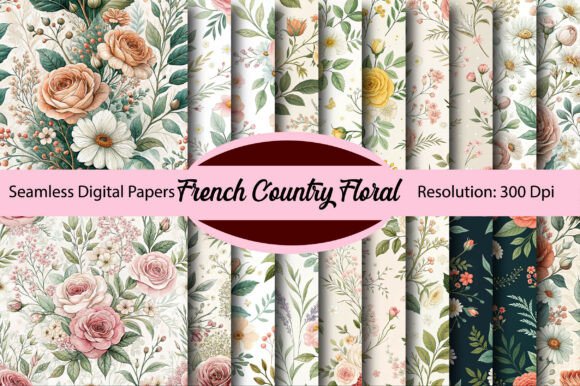
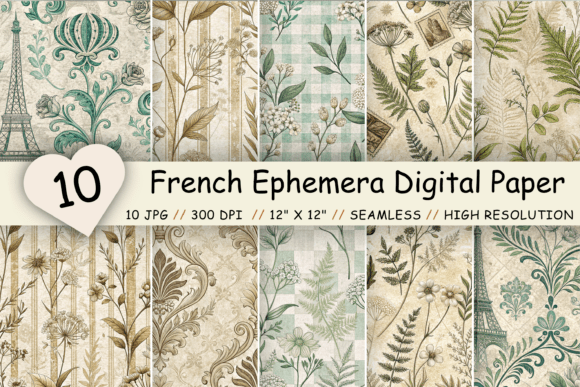
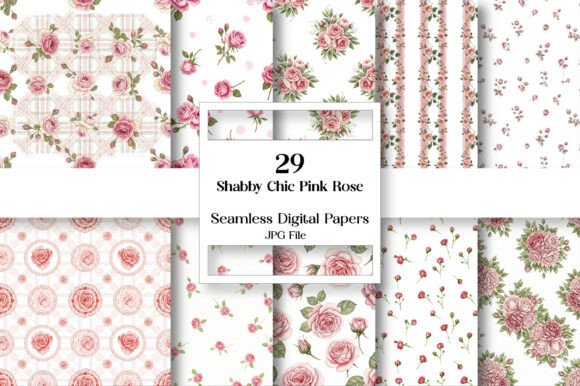
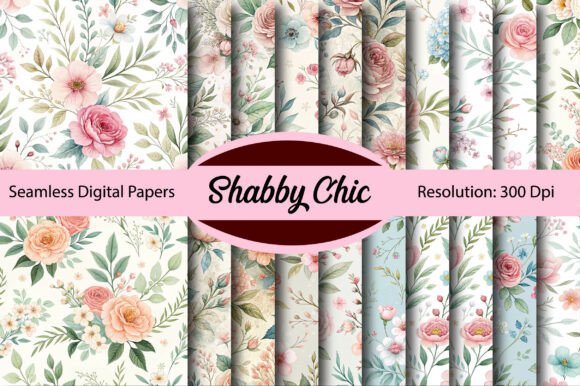
Before integrating these assets into a project pipeline, it is necessary to understand their technical specifications and practical limitations. Shabby Chic Seamless Digital Paper typically features distressed textures, vintage floral motifs, lace overlays, and muted pastel palettes. However, the operational value lies in the technical delivery. These files are standardized at 300 DPI (dots per inch) in JPEG format, ensuring they meet professional print standards without requiring upscaling or interpolation that degrades quality.
The "seamless" attribute is critical for workflow efficiency. Unlike standard raster images with visible edges, seamless digital papers allow for infinite tiling. This means a single file can cover a 5x7 invitation card or a 60-inch wide website hero banner without visible repetition lines or awkward cropping. For creators managing multiple output formats, this versatility eliminates the need to source separate assets for web and print, consolidating the asset library and simplifying file management.
Pre-Production Planning and Asset Organization
Efficient use of digital paper begins before the design software is even opened. Professionals should treat these assets as part of a broader design system rather than isolated decorations. When acquiring amazing seamless pattern digital paper backgrounds, immediate organization prevents bottlenecks during active project phases.
- Metadata Tagging: Rename files descriptively upon download. Instead of "IMG_4920.jpg," use "shabby-chic-rose-lace-pink-300dpi.jpg." This allows for instant retrieval via operating system search functions during tight deadlines.
- Categorization by Utility: Sort assets not just by color, but by function. Create folders for "High Contrast Textures" (for text overlays), "Subtle Backgrounds" (for busy layouts), and "Border Elements." This aligns file structure with design intent.
- Compatibility Checks: Verify color profiles immediately. While most digital papers are RGB, print projects often require CMYK. Converting and saving a print-ready version beforehand prevents color shifting surprises during the final export phase.
This preparatory work ensures that when inspiration strikes or a client revision is requested, the appropriate Shabby Chic Seamless Digital Paper is accessible within seconds, maintaining momentum in the creative process.
Application Across Diverse Project Types
The utility of these patterns extends far beyond simple scrapbooking backgrounds. Their integration varies significantly depending on the end medium and the specific goals of the project. Adapting the application method to the specific use case maximizes both aesthetic impact and technical performance.
Print Products and Packaging
For physical goods like party packs, greeting cards, and product packaging, resolution is non-negotiable. At 300 DPI, these digital papers provide the crisp detail required for commercial printing. In packaging design, the seamless nature allows designers to wrap patterns around boxes or bags without worrying about alignment issues at the seams. The shabby chic aesthetic, characterized by its worn and vintage feel, adds perceived value to handmade or artisanal products, signaling craftsmanship to the consumer. When designing for print, always utilize the transparent pattern capabilities or layer blending modes to ensure the texture enhances rather than obscures essential product information or typography.
Digital Interfaces and Web Design
Web implementation requires a different approach focused on performance and responsiveness. While the source file is a high-resolution JPEG, web workflows demand optimization. Using CSS background-repeat properties allows a small tile of the seamless pattern to cover entire viewports without increasing page load times. Blog backgrounds and website headers benefit from the soft, organic nature of shabby chic textures, which reduce eye strain compared to stark white backgrounds. For digital marketers, these textures can serve as consistent visual anchors across landing pages, reinforcing brand recognition through tactile association even in a screen-based environment.
Fashion and Textile Projects
In fashion and textile design, digital papers serve as the initial blueprint for surface pattern design. Designers use these seamless files to create mockups on garments before committing to fabric printing. The 300 DPI specification ensures that the digital preview accurately represents what the final printed fabric will look like. This step is crucial for decision-making, allowing entrepreneurs to validate designs with stakeholders or test market appeal via social media renders before investing in manufacturing. The seamless tiling is particularly important here, as it mimics the continuous yardage of actual fabric rolls.
Technical Integration and Workflow Compatibility
Shabby Chic Seamless Digital Paper interacts dynamically with standard design ecosystems. Understanding these interactions prevents technical friction and expands creative possibilities.
Layering and Blending: In software like Photoshop, Affinity Photo, or Procreate, these JPEGs are rarely used as flat background layers. They function best as texture overlays. Utilizing blend modes such as Multiply, Overlay, or Soft Light allows the distressed details of the shabby chic pattern to interact with underlying colors and photos. This technique creates depth that flat color cannot achieve. For digital scrapbooking, this layering capability allows users to mix and match elements from different papers to create unique, custom backgrounds that retain the cohesive style of the original assets.
Typography Interaction: A common challenge with textured backgrounds is text legibility. The intricate details of vintage lace or peeling paint can compete with body copy. Practical workflow adjustments include placing semi-transparent solid shapes behind text blocks or using the digital paper only in negative space areas. Alternatively, increasing the tracking (letter spacing) and weight of the typeface can help maintain readability against complex shabby chic textures. Testing contrast ratios is essential, especially for web accessibility compliance.
Cross-Platform Consistency: For brands operating across physical and digital touchpoints, these papers act as a unifying thread. A business card printed with a specific rose pattern can be matched exactly to the email newsletter header and the Instagram story template. This consistency builds trust and professionalism. Because the files are standard JPEGs, they are universally compatible across Canva, Illustrator, InDesign, and Cricut Design Space, ensuring that teams using different tools can still collaborate effectively without file conversion errors.
Quality Control and Long-Term Asset Management
Sustaining a high-quality output over time requires ongoing management of digital assets. As libraries of amazing seamless pattern digital paper backgrounds grow, so does the risk of redundancy and disorganization.
Regular audits of the asset library help maintain efficiency. Remove low-quality duplicates or patterns that no longer align with current brand direction. Document licensing terms for each asset directly in the file metadata or a companion spreadsheet. Knowing whether a specific Shabby Chic Seamless Digital Paper is cleared for commercial use, requires attribution, or is limited to personal projects is a critical legal safeguard for business owners and freelancers.
Furthermore, consider the longevity of the aesthetic. While shabby chic is a distinct style, trends within it evolve. Maintaining a core collection of timeless textures (linens, basic distress, neutral tones) alongside trend-specific accents allows for adaptability. This balanced approach ensures that your workflow remains resilient to market shifts while retaining a recognizable signature style.
Optimizing for Specific End Users
Different user groups derive value from these assets in unique ways. Educators creating classroom materials may prioritize high-contrast, readable textures that engage students without causing sensory overload. Marketers might focus on how the texture influences emotional response and conversion rates in ad creatives. Hobbyists and papercraft enthusiasts often value the ability to print these patterns at home for immediate use in physical albums.
Tailoring the selection and application of digital paper to the specific needs of the end audience is the mark of professional execution. For instance, a wedding stationer might choose softer, more romantic shabby chic variants for invitations, while selecting bolder, higher-contrast versions for signage that needs to be read from a distance. This intentionality transforms a generic digital asset into a strategic design solution.
Ultimately, Shabby Chic Seamless Digital Paper is a tool for efficient, high-quality creation. By treating these assets with the same rigor as fonts, photography, and copy, creators can build robust workflows that deliver beautiful, textured results across any medium. The combination of technical reliability (300 DPI, seamless tiling) and aesthetic warmth makes them an indispensable resource in the modern creator’s toolkit, bridging the digital and physical worlds with ease and consistency.