Integrating Patriotic Gingham Linen Textures into Digital and Print Design Workflows
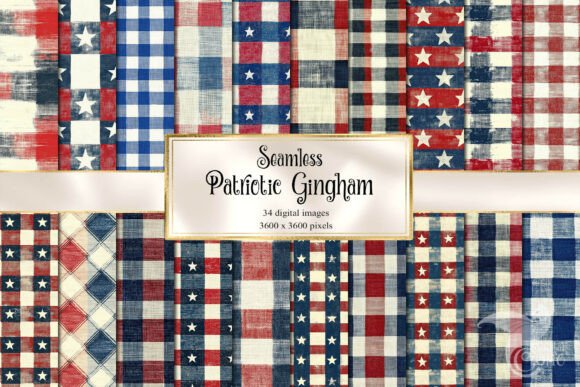
The intersection of traditional textile aesthetics and modern digital design has created a demand for resources that feel authentic rather than synthetic. Among these resources, Patriotic Gingham Linen Textures occupy a unique niche, bridging the gap between nostalgic Americana and contemporary crafting needs. Unlike flat vector patterns, these textures incorporate the visual noise and weave structure of actual fabric, providing a tactile quality to digital screens and printed materials alike. Understanding how to effectively utilize this specific type of digital asset requires an appreciation of both its technical specifications and its psychological impact on design composition.
The Psychology of Texture in Thematic Design
Visual texture serves as more than mere decoration; it acts as a subconscious cue that informs the viewer about the nature of the content. When designing for themes such as Independence Day, Memorial Day, or vintage Americana, the choice of background plays a critical role in setting the tone. Flat, solid colors can often appear sterile or overly commercial. In contrast, linen-textured gingham evokes memories of handmade quilts, picnic blankets, and heirloom clothing. This association triggers a sense of comfort, heritage, and authenticity.
The specific combination of red, white, and blue within a gingham pattern carries significant cultural weight. However, when rendered with a linen overlay, the patriotism feels softer and more personal. It moves away from rigid iconography toward a cozy, lived-in aesthetic. This is particularly relevant for creators targeting audiences who value tradition and warmth over bold, aggressive graphics. The texture absorbs light visually, reducing glare and creating a matte finish that mimics high-quality stationery or fabric, making digital projects feel tangible even before they are printed.
Technical Specifications for Professional Output
For professionals and hobbyists alike, the utility of a digital paper collection is defined by its technical parameters. This specific collection of 34 patriotic designs adheres to industry standards required for both screen display and physical production. Understanding these specifications ensures that the final output maintains integrity across different mediums.
- Resolution at 300 DPI: Dots Per Inch (DPI) is the standard measurement for print clarity. While web graphics typically use 72 DPI, these textures are rendered at 300 DPI. This density is non-negotiable for printing, ensuring that the subtle weave of the linen texture remains crisp and does not pixelate when transferred to cardstock, photo paper, or fabric.
- Dimensions of 3600 x 3600 Pixels: The 12x12 inch format is the universal standard in the scrapbooking and digital planning community. At 3600 pixels per side, these files offer ample surface area for large-format prints while remaining manageable for standard home printers. This square aspect ratio also aligns perfectly with social media templates and digital planner covers.
- Seamless Tiling Capability: A critical feature for web designers and packaging creators is the seamless nature of the JPEG files. This allows the pattern to be repeated infinitely without visible breaks or mismatched edges, enabling the creation of custom-sized backgrounds for websites, wrapping paper, or tablecloths without manual editing.
- JPEG Format Compatibility: As a widely supported raster format, JPEG ensures these textures work across virtually all design software, from Adobe Photoshop and Illustrator to accessible tools like Canva and Procreate. This universality removes barriers to entry for users with varying levels of technical expertise.
Applications Across Creative Disciplines
The versatility of Patriotic Gingham Linen Textures extends far beyond simple holiday decorations. The fusion of plaid geometry with organic fabric grain makes these assets suitable for a diverse range of professional and recreational applications.
Digital Scrapbooking and Memory Keeping
In digital memory keeping, the background must support photographs without competing with them. The muted contrast inherent in linen-style textures provides an ideal canvas. The gingham grid offers structural alignment for photos and journaling blocks, while the fabric texture adds depth that prevents the layout from looking flat. For 4th of July albums or family reunion records, these papers provide thematic consistency that ties disparate images together into a cohesive narrative.
Stationery and Invitation Design
Printable stationery relies heavily on texture to convey quality. When designing invitations for summer weddings, baby showers, or patriotic celebrations, using a textured background simulates the feel of premium letterpress or linen cardstock. This is especially effective for cottagecore and vintage-inspired designs where the goal is to evoke a sense of handcrafted elegance. The red, white, and blue palette can be adjusted via blending modes in design software to create softer pastels for baby crafts or deeper navies for formal events, all while retaining the underlying linen character.
Educational and Classroom Resources
Educators creating worksheets, certificates, or classroom decor benefit from backgrounds that are engaging but not distracting. High-contrast patterns can interfere with text readability, but the soft diffusion of a linen texture maintains legibility while adding visual interest. These textures work exceptionally well for history lessons, civics units, or end-of-year awards, providing a thematic backdrop that reinforces the subject matter without overwhelming young learners or cluttering instructional content.
Commercial Product Mockups and Packaging
Small business owners and product photographers often need contextual backgrounds for mockups. A jar of homemade jam, a candle, or a knitted item photographed against a patriotic gingham linen background instantly communicates "handmade," "local," and "seasonal." This visual shorthand helps position products within a specific market niche. Because these textures are digital, they offer a cost-effective alternative to sourcing and photographing physical fabrics, allowing for rapid iteration of product listings and marketing materials.
Design Considerations and Best Practices
While these textures are versatile, effective implementation requires mindful design choices. The interplay between pattern scale, color saturation, and typography determines the success of the final piece.
Managing Contrast and Readability
Gingham is inherently a high-contrast pattern. When placing text directly over red and white checks, legibility can suffer. Designers should employ several strategies to mitigate this. Using semi-transparent overlays or solid color blocks behind text areas creates necessary breathing room. Alternatively, utilizing the negative space within the pattern or selecting texture variations with lower saturation can maintain readability. The linen texture itself helps diffuse the harshness of the color transitions, but additional typographic hierarchy is often necessary for dense copy.
Color Harmonization and Adjustment
Although the collection focuses on traditional red, white, and blue, these hues can vary significantly in tone. Some designs may feature bright primary colors suitable for children’s crafts, while others may offer washed-out, vintage tones better suited for antique aesthetics. Users should assess the specific mood of their project before selecting a texture. Digital tools allow for hue/saturation adjustments, enabling creators to shift a bright red to a dusty rose or a navy to a slate blue, expanding the utility of the pack beyond strict patriotic themes.
Layering and Mixed Media Simulation
To maximize the handmade look, these textures perform best when layered with other elements that share similar physical properties. Pairing linen gingham with digital torn paper edges, watercolor splashes, or stitching lines enhances the illusion of a mixed-media collage. Conversely, pairing these organic textures with sharp, modern geometric elements can create a striking juxtaposition that feels fresh and contemporary. The key is intentionality; the texture should either harmonize with other elements for a cohesive vintage look or contrast with them for a modern fusion aesthetic.
The Value of Instant Digital Assets in Modern Crafting
The shift toward instant digital downloads represents a fundamental change in how creative projects are executed. Physical fabric and paper require storage, shipping time, and minimum purchases. Digital textures eliminate these friction points, allowing for immediate experimentation. For a designer working on a tight deadline for a July 4th campaign, or a parent needing a last-minute activity for a rainy day, instant access to high-resolution, professionally designed textures enables productivity without logistical delays.
Furthermore, the reusability of digital assets offers economic and environmental advantages. A single file can be used for a birthday invitation, a matching thank-you card, a social media post, and a party banner. There is no waste from miscuts or unused yardage. This sustainability aspect appeals to eco-conscious creators who want to maintain the aesthetic of traditional crafts without the material consumption associated with physical supplies.
Selecting the Right Texture for Your Project
With 34 distinct variations available, selection should be driven by project requirements rather than personal preference alone. Consider the following decision matrix when choosing from the collection:
- Assess the Scale: Larger gingham checks make bold statements suitable for backgrounds and packaging. Smaller, tighter weaves function better as subtle textures for stationery and text-heavy layouts.
- Evaluate the Color Balance: Determine if the project requires equal distribution of red, white, and blue, or if one color should dominate. White-dominant textures provide better contrast for dark text, while red or blue dominant textures create stronger emotional impact.
- Consider the End Medium: Textures intended for screen viewing can handle higher saturation and finer detail. Textures destined for home printing may require testing to ensure the linen grain reproduces clearly on your specific paper stock and printer type.
- Audience Alignment: Match the texture intensity to the demographic. Brighter, cleaner ginghams appeal to younger audiences and modern sensibilities. Faded, distressed linen textures resonate with vintage enthusiasts and heritage-focused projects.
By approaching Patriotic Gingham Linen Textures as functional design tools rather than simple decorative elements, creators can elevate their work from generic to distinctive. The combination of technical precision, historical resonance, and tactile simulation provides a foundation for projects that feel both professionally executed and deeply personal. Whether used for preserving family memories, educating students, or marketing artisanal goods, these digital papers offer a bridge between the warmth of traditional craftsmanship and the efficiency of modern digital creation.