Patriotic Plaid Digital Papers: A Complete Guide to Navy Blue and Red Designs for Holiday Crafts
When the calendar turns toward late spring and early summer, crafters, designers, and DIY enthusiasts begin searching for the perfect aesthetic to celebrate American holidays. There is perhaps no visual motif more instantly recognizable or emotionally resonant than the combination of red, white, and blue. However, moving beyond simple solid colors requires an understanding of pattern design. Specifically, Navy Blue and Red Plaid Digital Patterns offer a sophisticated, timeless alternative to standard patriotic clip art. Whether you are designing for Memorial Day tributes or 4th of July festivities, understanding how to utilize these digital assets can elevate your projects from amateur to professional.
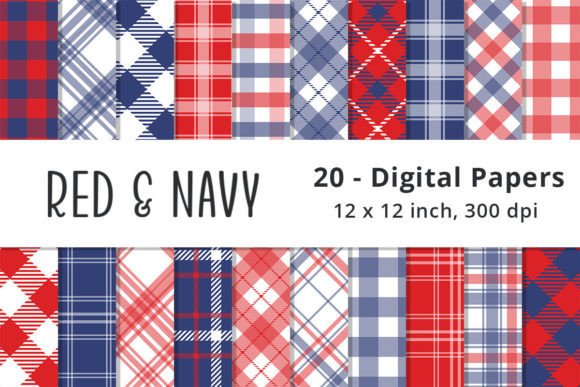
This guide explores the versatility of high-quality digital papers featuring gingham, buffalo check, grid, and striped line patterns. We will break down why these specific designs matter, how to use them effectively in modern digital and physical workflows, and what technical specifications you need to know before downloading or purchasing.
The Significance of Patriotic Plaid in Design
To understand why navy blue and red plaid remains a staple in holiday decor, we must look at the intersection of tradition and color psychology. Red, white, and blue are not merely flag colors; they represent heritage, unity, and celebration. When applied to textile-inspired patterns like plaid, these colors evoke feelings of nostalgia, comfort, and Americana.
Unlike graphic stars and stripes which can sometimes feel rigid or overly literal, plaid introduces texture and warmth. It bridges the gap between formal patriotism and casual, cozy gathering. This makes it exceptionally useful for events that range from solemn remembrance on Memorial Day to raucous backyard barbecues on Independence Day. The inclusion of navy blue specifically, rather than a brighter royal blue, adds a layer of maturity and classic elegance to the palette, making the designs suitable for adult-oriented stationery and home decor as well as children’s crafts.
Understanding the Pattern Variations
Not all plaids serve the same purpose. A comprehensive collection of Red, White, and Blue Digital Paper should include distinct variations to provide maximum creative flexibility:
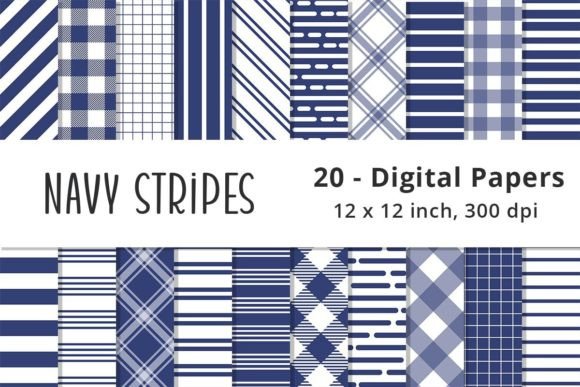
- Gingham: Characterized by uniform checks formed by horizontal and vertical bands of color. Gingham is inherently cheerful and lightweight, making it ideal for picnic themes, baby showers with a patriotic twist, and summer party invitations.
- Buffalo Check: Typically featuring larger blocks created by intersecting lines of two colors (often red and navy). This pattern carries a rustic, outdoorsy vibe perfect for cabin decor, flannel-style tumbler wraps, and cozy winter-to-summer transition designs.
- Grid and Graph: Simpler, cleaner lines that mimic engineering paper or window panes. These are excellent for backgrounds where text needs to remain legible, such as journal pages or informational flyers.
- Two-Tone and Striped Line: Subtle variations that reduce visual noise. These act as transitional papers, allowing designers to balance busier elements in a collage or scrapbook layout without overwhelming the viewer.
Practical Applications for Modern Creators
In the digital age, the application of these patterns extends far beyond traditional scrapbooking. The shift toward Print-on-Demand (POD) and digital planning has revolutionized how we use seamless digital files. Here is how these navy and red designs fit into contemporary creative workflows.
Digital Scrapbooking and Journaling
For digital scrapbookers, seamless patterns are the foundation of storytelling. Because these files are designed to repeat perfectly without visible seams, they can be scaled to fit any canvas size. In digital planners used on tablets, these papers serve as functional yet decorative dividers, cover pages, and daily backgrounds. The structured nature of grid and gingham patterns helps organize content visually, guiding the eye across the page while maintaining a festive theme.
Print-on-Demand and Merchandise
Entrepreneurs utilizing POD services rely heavily on high-resolution raster files. Tumbler wraps, in particular, have seen a surge in popularity. A 12x12 inch seamless pattern at 300 dpi provides sufficient resolution to wrap around standard drinkware without pixelation. Buffalo check and bold navy plaids photograph beautifully on curved surfaces, creating merchandise that sells year-round but peaks during holiday seasons.
Traditional Paper Crafts and Decor
Despite the digital boom, physical crafting remains vibrant. Printable papers allow users to bring digital precision to tangible projects. These designs are perfect for:
- Card Making: Using striped line patterns as borders and gingham as card bases.
- Gift Wrapping: Printing custom wrapping paper for Memorial Day care packages or July 4th gifts.
- Party Decor: Creating coordinated banners, cupcake toppers, and table runners that match perfectly because they originate from the same digital collection.
Technical Specifications: What You Need to Know
One of the most common misunderstandings among beginners in digital design is the difference between vector and raster formats. It is vital to clarify this distinction to ensure project success.
Note: These files are flattened raster files, not vector format.
A raster file (JPG) is composed of pixels. At 300 dpi (dots per inch), the image contains enough information to print crisply at its native size of 12x12 inches. "Flattened" means all layers have been merged into a single background. While this prevents you from changing individual colors or moving elements within the pattern, it ensures compatibility with virtually every software program, from professional tools like Photoshop and Illustrator to accessible platforms like Canva and Microsoft Word.
If you require infinite scalability for billboards or vehicle wraps, vectors are necessary. However, for the vast majority of consumer crafts, web graphics, and standard printing, 300 dpi JPGs are the industry gold standard. They offer the perfect balance of quality and file manageability.
Maximizing Value from a 20-Paper Collection
A collection containing 20 High Quality seamless digital file papers offers significant value through variety. Rather than purchasing single patterns, a curated set ensures color consistency across different styles. When your navy blue matches perfectly across the gingham, buffalo, and grid papers, your final projects look cohesive and professionally designed. This eliminates the frustration of trying to color-match disparate assets from different sources.
Tips for Effective Use in Holiday Projects
To get the most out of your Navy Blue and Red Plaid Digital Patterns, consider these best practices:
- Mind the Contrast: Navy and red are both dark values. Always intersperse white-dominant patterns to prevent your design from looking muddy or heavy. White space is essential for readability.
- Scale Appropriately: Large buffalo checks work best on large surfaces like tote bags or wall art. Delicate gingham is better suited for small items like tags, bookmarks, or digital planner stickers.
- Layer with Purpose: Use subtle grid or striped patterns as the bottom layer for journaling spots. Place bolder plaids behind photos or focal points to create depth.
- Check Color Profiles: Remember that screens display RGB color while printers use CMYK. Always do a test print if exact color matching is critical for your holiday decor.
Conclusion
Navy Blue and Red Plaid Digital Papers are more than just seasonal decorations; they are versatile design tools that connect us to tradition while enabling modern creativity. From the rustic charm of buffalo check to the orderly precision of grid lines, these patterns provide the visual vocabulary needed to express patriotism with style and substance.
Whether you are a seasoned graphic designer creating POD products, a teacher making classroom decorations, or a hobbyist preserving family memories in a digital scrapbook, understanding the nuances of these 12x12 inch, 300 dpi seamless files empowers you to create with confidence. By selecting the right pattern variation and respecting the technical nature of flattened raster files, you ensure that your Memorial Day and 4th of July projects are not only festive but flawlessly executed.