Integrating the Vintage Travel Ephemera Kit into Creative and Professional Workflows
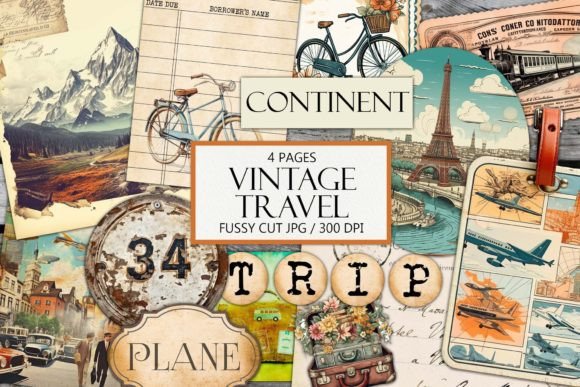
The Vintage Travel Ephemera Kit serves as a specialized asset library for creators, educators, and small business owners who require authentic visual textures without the logistical burden of sourcing physical antiques. This digital collection provides four pages of high-resolution, vintage-style ephemera designed specifically for fussy cutting. In a broader creative or operational process, this kit functions as a bridge between conceptualization and execution, offering ready-to-use visual elements that maintain thematic consistency across junk journals, greeting cards, tags, collages, and digital scrapbooks. For professionals managing tight deadlines or hobbyists seeking to elevate their craft, understanding how to integrate this resource effectively can streamline production while maintaining high aesthetic standards.
Strategic Preparation and Asset Management
Before initiating any project involving the Vintage Travel Ephemera Kit, establishing a robust file management and preparation workflow is essential. Because this is a downloadable digital product, the initial setup determines long-term efficiency. Users should create a dedicated directory structure on their local drive or cloud storage, categorized by theme, color palette, or intended application. This prevents the common bottleneck of searching through unorganized folders during active creative sessions.
Quality control begins at the printing stage. To ensure the ephemera retains its vintage authenticity, paper selection is a critical variable in the process. Standard office paper often lacks the weight and texture necessary for fussy-cut projects. Integrating this kit into your workflow requires testing different substrates—such as matte photo paper, cardstock, or specialty textured papers—to determine which best mimics the tactile feel of aged travel documents. For those using the kit in digital scrapbooking or marketing materials, verifying the resolution (DPI) ensures that images remain crisp when scaled for social media graphics or print collateral. Pre-printing test sheets allows you to calibrate printer settings for color accuracy, ensuring the sepia tones and faded inks appear as intended rather than oversaturated or washed out.
Execution Phase: Fussy Cutting and Composition
During the active creation phase, the Vintage Travel Ephemera Kit acts as a modular design system. The "fussy-cut" nature of these assets implies a deliberate, hands-on approach to composition. For analog crafters, this involves precise cutting along intricate borders to isolate specific elements like vintage stamps, luggage labels, or handwritten notes. This manual process encourages mindfulness and intentionality, slowing down the workflow to focus on detail. However, for digital users or marketers creating content at scale, these same assets can be processed using background removal tools or masking software to create transparent PNGs. This adaptation transforms a static PDF page into a flexible library of individual design elements compatible with platforms like Canva, Photoshop, or Procreate.
When composing layouts for junk journals or collages, treat the ephemera as narrative anchors rather than mere decoration. Each piece in the kit carries semantic weight associated with travel, history, and movement. Effective implementation involves pairing these visual cues with complementary textures, photographs, or journaling prompts. For example, a vintage train ticket from the kit might serve as the focal point for a layout about personal transitions or business milestones. By anchoring the design around the ephemera, you create a cohesive visual hierarchy that guides the viewer’s eye and reinforces the intended message. This method moves beyond random placement and turns the kit into a storytelling tool.
Cross-Platform Integration and Versatility
One of the primary advantages of the Vintage Travel Ephemera Kit is its interoperability across different mediums and professional contexts. While traditionally associated with paper crafting, the utility of this kit extends significantly into digital and commercial workflows. Educators can utilize these assets to create engaging history lesson handouts or interactive learning materials that provide tactile context to historical periods. Small business owners, particularly those in the stationery, coaching, or wellness sectors, can incorporate scanned elements from the kit into branding packages, email newsletters, or product packaging to evoke nostalgia and trust.
For digital scrapbookers and content creators, the kit integrates seamlessly with existing design ecosystems. Scanning printed ephemera at high resolution creates a hybrid workflow where physical texture meets digital flexibility. This is particularly useful for maintaining brand consistency; once you have digitized your favorite elements from the four included pages, they become reusable assets that reduce future design time. Marketers can leverage these unique, non-stock-photo visuals to differentiate social media content in saturated feeds. The vintage travel theme resonates universally, making it suitable for campaigns related to exploration, self-discovery, heritage, or luxury services.
Optimizing Workflow Efficiency and Consistency
To maximize the return on investment for this kit, users should develop standardized processes for its application. Batch processing is highly effective here. Instead of printing and cutting items one by one as needed, dedicate a specific session to preparing a stockpile of pre-cut or digitally isolated elements. Store physical cuts in labeled envelopes or clear sleeves, and organize digital files in asset libraries within your design software. This front-loaded effort reduces friction during future projects, allowing you to pull relevant assets instantly when inspiration strikes or deadlines loom.
Consistency in style is another factor where this kit adds value. When working on a series of greeting cards, a multi-page journal spread, or a sequence of social media posts, maintaining a unified aesthetic is challenging. Using the same source material ensures that colors, typography styles, and aging effects remain harmonious across all outputs. This built-in coherence eliminates the guesswork of mixing disparate vintage sources and helps establish a recognizable signature style for artists and brands alike. For freelancers offering custom journaling or design services, this reliability translates to faster turnaround times and more predictable results for clients.
Practical Considerations for Long-Term Use
Sustainable use of the Vintage Travel Ephemera Kit involves mindful consumption and archival awareness. Physically, protect unused printed sheets from light and humidity to prevent premature degradation before they are even used. Digitally, maintain backup copies of the original high-resolution files separate from your working project files to preserve master quality. As your collection of cut ephemera grows, consider creating an index or visual catalog. This metadata layer makes retrieval efficient, especially when searching for specific motifs like "maps," "postmarks," or "floral borders."
Furthermore, consider the legal and ethical dimensions of using vintage-style assets in commercial work. While this kit is designed for personal and craft use, professionals intending to sell derivative works should verify licensing terms. Understanding these boundaries early prevents complications later. Within permitted uses, the kit offers a cost-effective alternative to purchasing genuine antique ephemera, which can be prohibitively expensive and fragile. It democratizes access to vintage aesthetics, enabling creators at any level to produce work with professional polish and historical resonance.
Enhancing Creative Outcomes Through Intentional Selection
The ultimate success of integrating the Vintage Travel Ephemera Kit lies in selective application. Not every element on the four pages will suit every project. Developing a discerning eye for which pieces enhance versus clutter a layout is a skill refined through practice. Start by identifying the emotional tone or functional goal of your project. Is it meant to be whimsical, documentary, romantic, or structured? Select ephemera that aligns with that objective. Sometimes, negative space is as important as the ephemera itself; allowing the background to breathe ensures the vintage details stand out without overwhelming the viewer.
By treating the Vintage Travel Ephemera Kit as a strategic component of your creative infrastructure rather than just a pack of pretty papers, you unlock its full potential. It becomes a reliable partner in planning, a versatile tool in execution, and a consistent element in your portfolio. Whether you are documenting personal memories, teaching history, or building a brand identity, this kit provides the tangible connection to the past that modern digital tools often lack, grounded in a practical workflow that respects both creativity and efficiency.