Antique Map Cartography Paper for Vintage Crafts
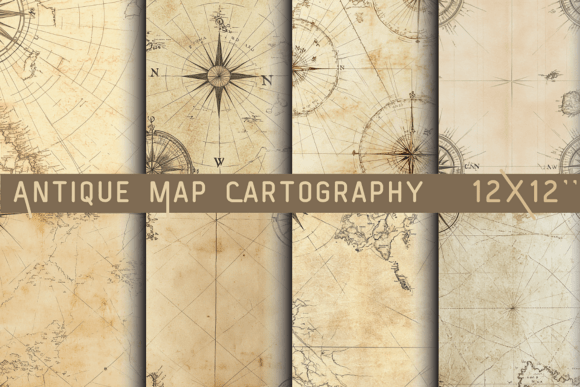
Creating authentic vintage aesthetics in digital and physical projects often requires more than just a simple sepia filter. True historical charm lies in the intricate details of navigation charts, weathered textures, and the specific color palettes of bygone eras. Antique map cartography paper serves as a foundational element for creators seeking to evoke the spirit of old-world exploration. This specialized digital asset collection provides high-resolution backgrounds that replicate the look of aged maritime charts and geographical surveys. Unlike generic textured papers, these designs feature accurate cartography lines, compass roses, and latitude-longitude grids that add genuine depth and narrative to your work.
For scrapbookers, junk journal enthusiasts, and graphic designers, finding usable vintage ephemera can be a challenge. Original documents are fragile, expensive, and difficult to scan without damage. A curated digital pack solves this problem by offering pristine, 300 DPI files ready for immediate use. With twelve unique designs delivered in PNG format at 3600 × 3600 pixels, this collection bridges the gap between historical authenticity and modern creative convenience. Whether you are designing travel-themed stationery or restoring family genealogy records, these opaque backgrounds provide the perfect canvas for layering text, photographs, and embellishments without worrying about transparency issues.
Defining Authentic Cartographic Aesthetics
Understanding what makes antique map cartography paper distinct helps in utilizing it effectively. It is not merely about the age of the paper but the specific visual language of historical navigation. This collection captures the essence of explorer journals and nautical charts through deliberate design choices. The color palette avoids harsh contrasts, instead utilizing sepia brown, aged beige, antique cream, faded gold, and muted blue. These tones mimic the natural oxidation and fading of ink on parchment over centuries.
Beyond color, the texture plays a crucial role in realism. The weathered paper textures included in these files simulate the tactile experience of handling old documents. You will notice subtle variations in grain, faint staining, and the softening of edges that occur naturally over time. However, the true value lies in the cartographic details. The inclusion of detailed grid lines and ornate compass roses transforms a simple background into a storytelling device. These elements suggest movement, discovery, and history, making them far superior to plain distressed paper for themed projects.
Practical Applications for Creators and Hobbyists
The versatility of these 12 x 12 inch backgrounds makes them suitable for a wide range of personal and professional applications. Because they are delivered at 300 DPI, they maintain crispness whether viewed on a screen or printed on high-quality cardstock. Here are several practical ways to integrate these designs into your workflow:
- Junk Journals and Scrapbooking: Use the maps as base pages for travel memories or as backing for layered ephemera. The detailed lines provide visual interest behind photos without competing for attention.
- Vintage Stationery Design: Create custom letterheads, envelopes, or greeting cards. The opaque nature of the PNGs ensures consistent printing results on various paper types.
- Planner Inserts and Dashboards: Add a touch of classic exploration to monthly spreads or weekly logs. The neutral color palette allows functional writing and stickers to remain legible.
- Educational Materials: Teachers and homeschoolers can use these backgrounds for geography lessons, history worksheets, or treasure hunt activities to engage students visually.
- Digital Content Creation: Bloggers and social media managers can use these textures as overlays for quotes, announcements, or branding assets to establish a cohesive vintage identity.
- Product Packaging: Small business owners selling handmade goods, candles, or jewelry can print these designs for tags, box liners, or thank-you cards to enhance perceived value.
Technical Specifications and Print Quality
When working with digital assets intended for both screen and print, technical specifications matter significantly. This Antique Map Cartography Paper Digital Pack is engineered for professional results. Each file measures 3600 × 3600 pixels, which translates to a standard 12 x 12 inch square at 300 DPI. This resolution is the industry standard for high-quality printing, ensuring that fine cartography lines do not appear pixelated or blurry when transferred to physical media.
The files are provided in PNG format with opaque, non-transparent backgrounds. This is a deliberate choice for usability. While transparent PNGs have their place, opaque backgrounds are preferable for paper crafting because they eliminate the need for a separate white underlayer during printing. They also simplify the editing process in software like Photoshop, Canva, or Procreate, as you can treat the file exactly like a sheet of physical paper. Be aware that due to the high resolution and complex texture data, individual file sizes range from 8 MB to 18 MB. Ensure your device has adequate storage and processing power to handle these large files smoothly, especially if you plan to layer multiple elements.
Choosing the Right Background for Your Project
Not every map suits every project. When selecting from the twelve included designs, consider the density of the cartographic lines relative to your content. Designs with heavy detailing and prominent compass roses work best as standalone art pieces or borders where text is minimal. Conversely, maps with lighter grids and more negative space in aged beige or antique cream are ideal for backgrounds requiring extensive handwriting or typed text.
Color temperature also influences mood. Sepia brown and faded gold evoke warmth and nostalgia, perfect for family history or romantic themes. Muted blue and cooler beige tones suggest maritime navigation and scientific precision, making them better suited for adventure themes or educational content. By matching the specific hue and pattern density to your project’s intent, you ensure the background enhances rather than overwhelms your primary content.
Tips for Working with High-Resolution Textures
To get the most out of this vintage navigation explorer scrapbook background collection, adopt a few best practices for handling high-resolution textures. First, always work with the original full-size file until the final export. Scaling down prematurely can result in a loss of the subtle paper grain that gives the design its character. If you need a smaller size for digital use, resize a copy rather than the master file.
When printing, perform a test print on your chosen paper stock. Different papers absorb ink differently; matte cardstock tends to enhance the antique feel, while glossy paper may make the colors appear more saturated and modern. Adjust your printer settings to "high quality" or "photo paper" mode to capture the full range of sepia and gold tones. For digital projects, consider using blending modes like Multiply or Overlay if you wish to combine the map texture with other images, even though the base file is opaque. This flexibility allows you to customize the intensity of the vintage effect to suit your specific aesthetic needs.
Ultimately, this collection offers more than just digital files; it provides a tangible connection to the past. By understanding the technical qualities and artistic potential of antique map cartography paper, you can elevate your crafts from simple assemblies to evocative works of art. Whether documenting a modern journey or curating historical memories, these tools help bring the timeless allure of exploration to life with professional ease and authenticity.